Oracle HCM REST APIs Training
Introduction
A robust suite of REST APIs offered by Oracle Fusion Cloud HCM enables businesses to safely access and manage personnel data in real time. Oracle HCM REST APIs serve as the cornerstone for scalable and future-ready HR architectures, regardless of whether you’re integrating with middleware platforms, payroll systems, or external HR solutions like SAP SuccessFactors.
This blog, which is based on actual implementation experience rather than a copy-paste of documentation, explains how Oracle HCM REST APIs operate, how to get started quickly, and what to look out for
Prerequisites
Before you start consuming Oracle HCM REST APIs, make sure the following are covered:
REST & JSON Fundamentals
You should understand:
HTTP methods (GET, POST, PATCH, DELETE)
JSON request and response structures
Headers and authentication concepts
Security Roles & Privileges
Oracle HCM APIs are role-driven. Your user must have the correct:
Job roles
Data roles
REST privileges
Without these, even a perfectly formed API call will fail.
Feature Opt-Ins
Some HCM REST resources and attributes are only available when specific features are enabled. Always confirm opt-ins with your functional or implementation team before development starts.
Data Volume Expectations
REST APIs are ideal for:
Real-time reads
Small to medium updates
For mass data loads or extracts, Oracle recommends:
HCM Data Loader (HDL) for inbound
HCM Extracts for outbound
API Endpoints Overview
Oracle HCM REST APIs follow a predictable structure:
https://<server>/hcmRestApi/resources/<version>/<resource>
Example: Workers Resource
/hcmRestApi/resources/11.13.18.05/workers
This endpoint allows you to:
- Query worker records
- Create new workers
- Update existing worker data
- Navigate child resources like addresses, assignments, and contacts
To understand the full structure of any resource, Oracle provides a powerful describe action.

Oracle Training

Step-by-Step Guide: Exploring the Workers API
An essential first step in any Oracle HCM integration is to comprehend the Workers REST API. The primary source of person, employment, and assignment data is this site. Understanding how Oracle exposes the data model and thoroughly exploring the API are crucial before developing business logic or mappings.
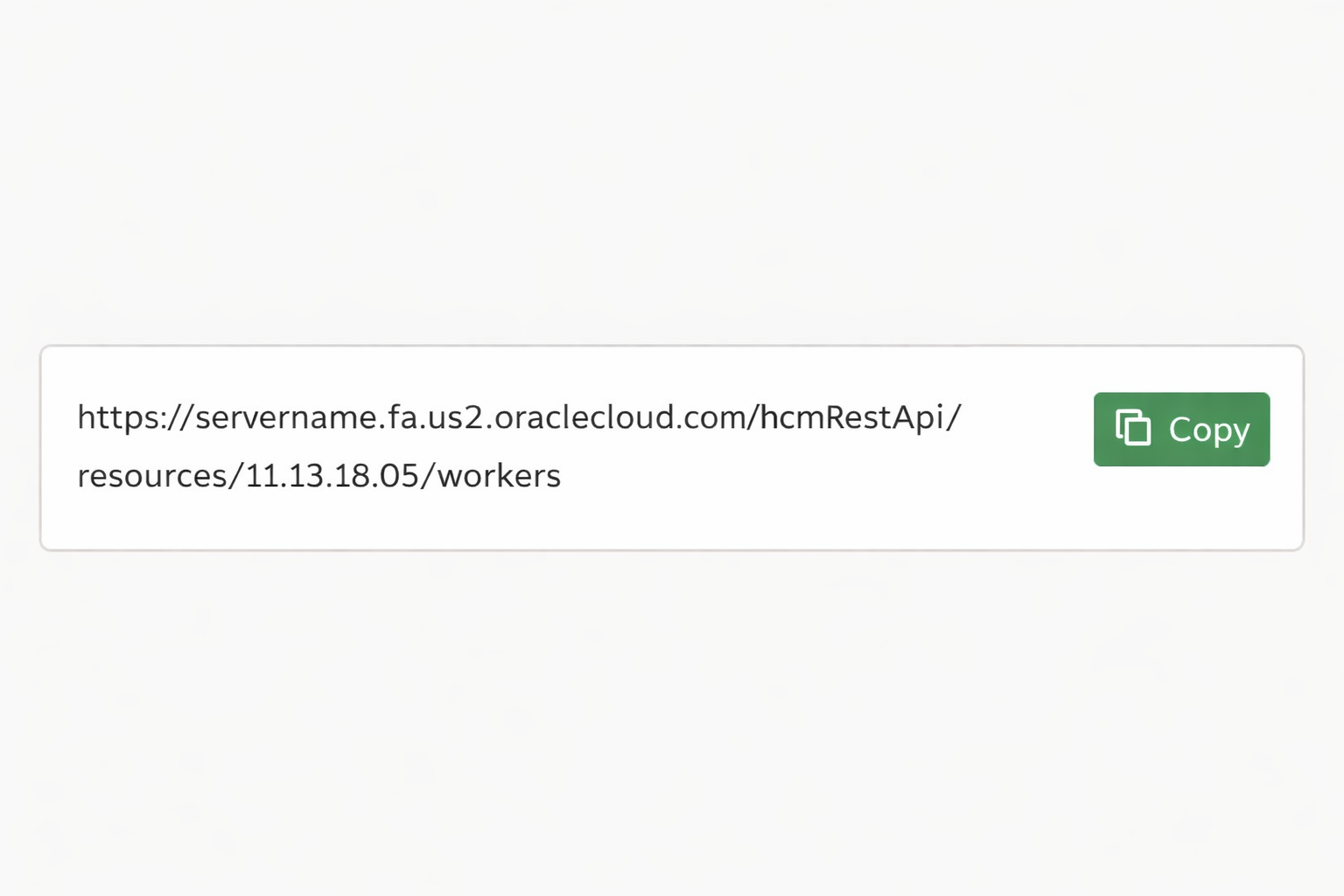
Step 1: Compile Connection Information
Make sure you have the right connection and security details before executing any API calls. The Oracle HCM environment URL, a working HCM user account, and the relevant security roles linked to that user are the very minimum requirements.
Usually, the Oracle Cloud administrator or security team will supply these credentials. Using a dedicated service account instead of a personal user ID is an excellent practice since it guarantees consistency and controlled access across contexts.
Step:2 Select a REST Client
Various technologies can be used to access Oracle HCM REST APIs, depending on your architecture and level of maturity. Custom-built Java and middleware-based clients, curl for scripting and automation, Oracle Integration Cloud for managed integrations, and Postman for manual testing are examples of frequently used alternatives.
Postman is frequently the quickest and best option for troubleshooting and early-stage development. Without writing code, it enables you to validate headers, examine responses, and test authentication rapidly.
https://cloudfoundation.com/blog/wp-content/uploads/2026/02/2.png
Step 3: Construct the Request
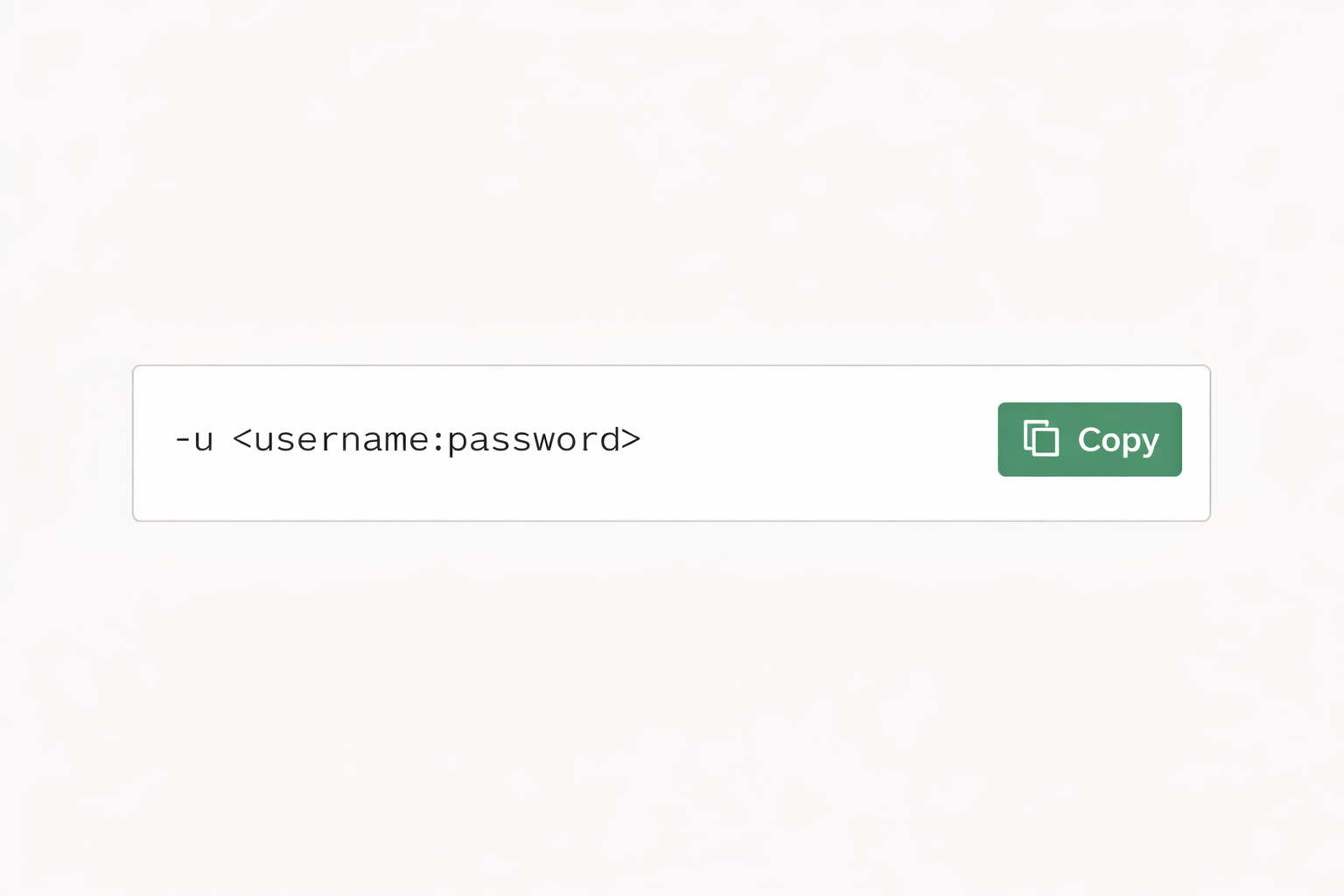
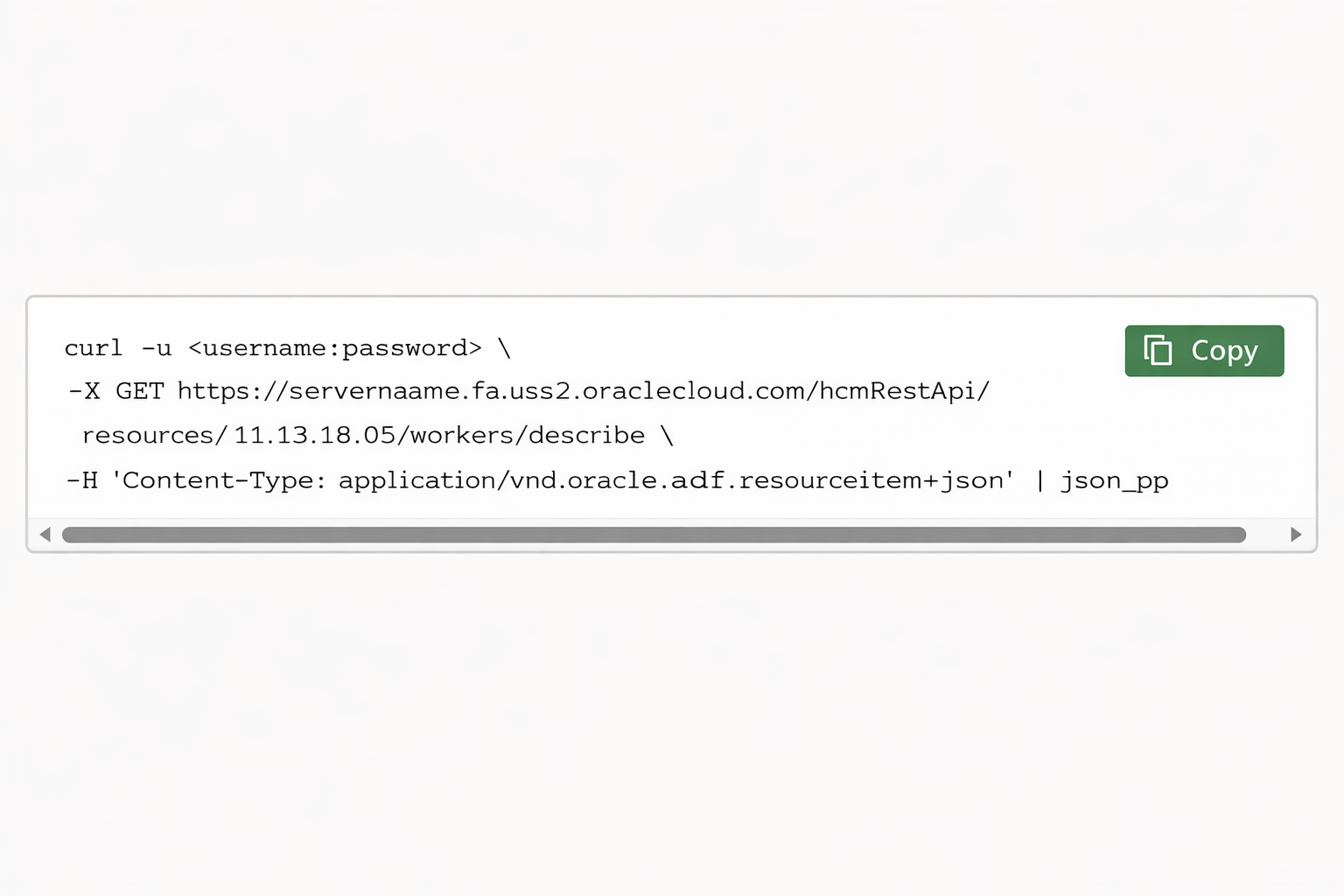
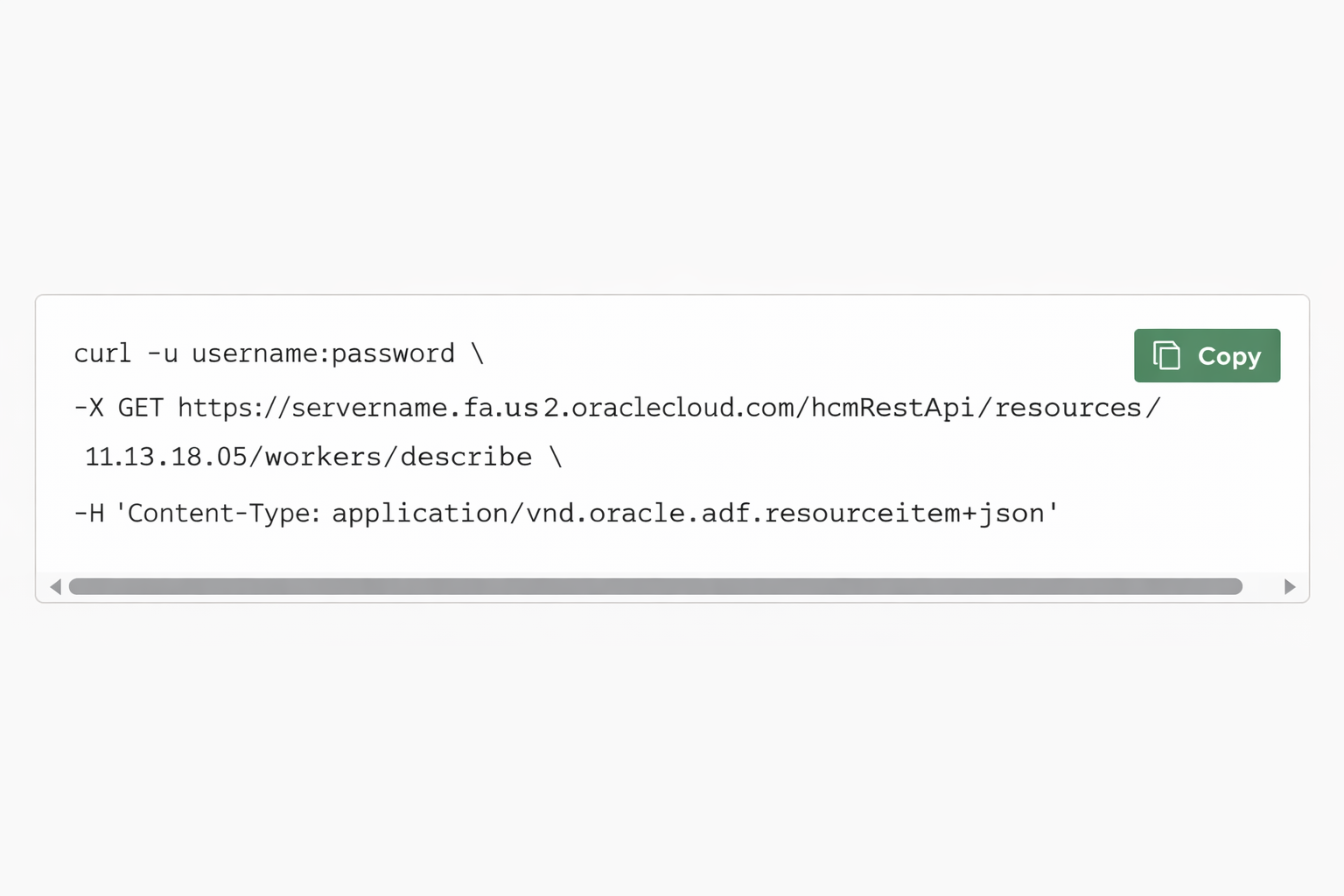
Building a request that aids in your comprehension of the Workers resource structure comes next, after your customer is prepared. Start with the describe action rather than running a straight query against worker data:
Employee records are not returned by this request. Rather, it provides metadata that specifies the behavior of the Workers API. Details like which fields can be modified, which characteristics are required or optional, supported operations like GET and POST, available child resources, and predefined finders and keys are all included in the response.
This is a crucial stage. Before creating any integration logic or payloads, you should evaluate the describe response, which serves as documentation for your particular context.
Step 4: Secure Authentication
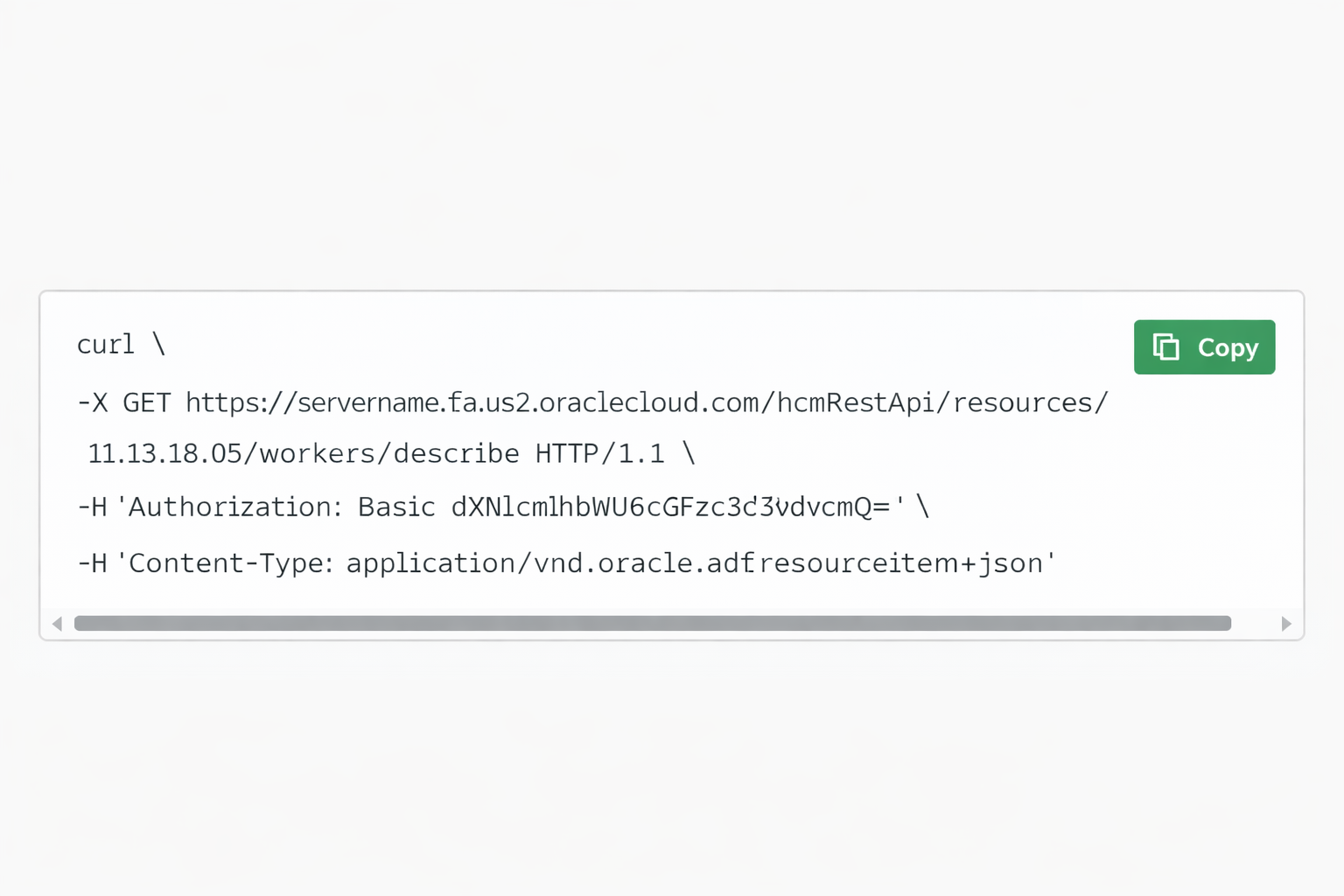
To satisfy enterprise security requirements, Oracle HCM REST APIs enable a variety of authentication methods. These consist of JWT-based authentication, SAML bearer tokens, and Basic Authentication over SSL.
Basic Authentication over TLS is extensively used and adequate for the majority of development, testing, and even many production integrations. To protect critical worker data, all requests, regardless of method, must be sent via a secure, encrypted connection.
Step 5: Submit the Request and Examine the Answer
Examine the response payload carefully after submitting the request. A successful answer will explain which CRUD actions are permitted, clearly define worker properties like Persoid and Person Number, and state which fields are mandatory versus optional.
Along with links that specify how to access these resources, you will also find associated child resources, like contacts, assignments, and addresses. This data forms your technical contract, directing the design of downstream integration payloads, mappings, and validations.
Later in the integration lifecycle, errors, rework, and production problems are greatly decreased by taking the time to analyze this answer up front.
Common Pitfalls to Avoid
Using RESTful APIs to Process Data in Bulk
Oracle HCM REST APIs are not designed for large-scale data migration, but rather for real-time, transactional interactions. Performance problems, timeouts, and partial failures are frequently encountered when attempting to use REST APIs for mass uploads or nightly full extraction. HCM Extracts should be used for structured outgoing data, whereas HCM Data Loader (HDL) is the best solution for high-volume inbound data.
Disregarding Successful Dating
One of the most frequent reasons for integration problems is that a significant amount of Oracle HCM data is out-of-date. Effective start and end dates must be handled properly in every integration when records are being created or updated. Ignoring effective dating may result in updates that “disappear” in the application, erased data, or inaccurate historical records.
Identifier Mixing in Payloads
Both a user-defined identifier (like Assignment Number) and a system-generated identifier (like Assignment) are exposed by several Oracle HCM resources. When both are included in a single request payload, unexpected behavior and unsupported outcomes occur. Utilize a single identifier for every transaction and make sure you utilize it consistently throughout your integration.
Ignoring the Describe Action
The describe action is one of the most useful parts of Oracle HCM REST APIs, although it is frequently disregarded. Invalid field changes, missing required characteristics, and permission-related issues are more likely to occur when request payloads are hardcoded without first checking the resource metadata. Almost invariably, this method leads to faulty integrations following Oracle’s quarterly updates.
Undervaluing Role Configuration and Security
When the underlying user lacks the necessary roles and rights, even well-designed API calls will not work. Because Oracle HCM security strictly regulates REST API access, service accounts with roles that are explicitly allocated should always be used to validate integrations rather than individual user IDs.
REST APIs as a One-Time Configuration
Oracle HCM is always changing. REST APIs ought to be viewed as dynamic interfaces that need constant verification and observation. To guarantee long-term stability, successful teams incorporate REST API testing into their post-patch regression plan.

Oracle Online Training
FAQs
Is it possible to identify data changes using Oracle HCM REST APIs?
No, Oracle advises using Atom Feeds to monitor changes like hiring, firing, and revisions to personal information.
Q: Do quarterly Oracle changes have an impact on REST APIs?
Yes, particularly if opt-in features or new qualities are added. After patching, APIs should always be validated.
Q: How safe are the REST APIs for Oracle HCM?
They are enterprise-grade and compliant because they are secured by Oracle Web Services Manager (OWSM) policies and TLS encryption.
Q: Is it possible to use Oracle HCM REST APIs for large-scale data loads?
For large or high-volume data operations, REST APIs are not advised. Use HCM Data Loader (HDL) for bulk incoming data and HCM Extracts for outgoing reports or extracts.
Q: Is the effective-dated data supported by Oracle HCM REST APIs?
Indeed. A lot of HCM resources are out of date. Effective start and end dates must be handled carefully in integrations to prevent unforeseen outcomes or inconsistent data.
Q: How can I determine which fields are updateable or required?
Utilize the resource’s description action. It is crucial for integration design since it makes it obvious which fields are required, update rules, and supported activities.
Q: Can I utilize middleware-free REST APIs?
Although it is technically possible, enterprise integrations are not advised to use it. Better data translation, security abstraction, error handling, and monitoring are all made possible by middleware.
Q: What occurs if I supply a user-defined identification in addition to a system ID?
In this instance, Oracle does not guarantee behavior. In a single request payload, always pass a single identification (either user-defined or system-generated).
Q: Are the REST APIs for Oracle HCM asynchronous or synchronous?
While create and update actions may need background processing, the majority of REST activities are synchronous. It can take a few minutes to finish some transactions.
Q: Is it possible to combine SAP SuccessFactors with Oracle HCM REST APIs?
Yes, when coordinated through middleware and with appropriate alignment of data ownership, IDs, and effective dates, Oracle HCM REST APIs and SAP SuccessFactors APIs function effectively together.
Knit for SAP SuccessFactors API Integration
REST APIs serve as the glue that holds systems together when connecting Oracle HCM with SAP SuccessFactors.
The Integration Pattern of Best Practice:
To access data in real-time or almost real-time, use Oracle HCM REST APIs.
Use middleware (MuleSoft, OIC, and CPI) for:
Data transformation
Handling errors
Retry reasoning
Carefully align the SuccessFactors and Oracle effective dates.
Design for extensibility rather than point-to-point logic.
SAP SuccessFactors APIs and Oracle HCM REST APIs can work together harmoniously with the correct architecture, allowing for hybrid HR environments free from data confusion.
Final Thoughts
Oracle HCM REST APIs are strategic integration facilitators as well as technical endpoints. When properly implemented, they give workers instant access to data, lessen reliance on batch operations, and enable businesses to create adaptable, event-driven HR ecosystems. Building stable, safe, and future-ready integrations requires an understanding of the security architecture, API structure, and effective-dating behavior.
REST APIs should never be used alone; rather, they should always be part of a larger architecture from the standpoint of corporate integration. Better orchestration, centralized error management, data transformation, and monitoring are made possible by combining middleware platforms with Oracle HCM REST APIs. This is particularly crucial in hybrid environments where Oracle HCM needs to work alongside other identity platforms, payroll vendors, and SAP SuccessFactors.
Writing API calls is ultimately less important for effective Oracle HCM API implementations than design discipline, which includes selecting the appropriate tool for the use case, adhering to Oracle’s recommended patterns, and planning for growth and modification. More robust and maintainable integrations are regularly produced by teams that make early investments in these concepts.

Oracle Course Price

Nishitha
Author
A mind once stretched by a new idea never returns to its original dimensions.